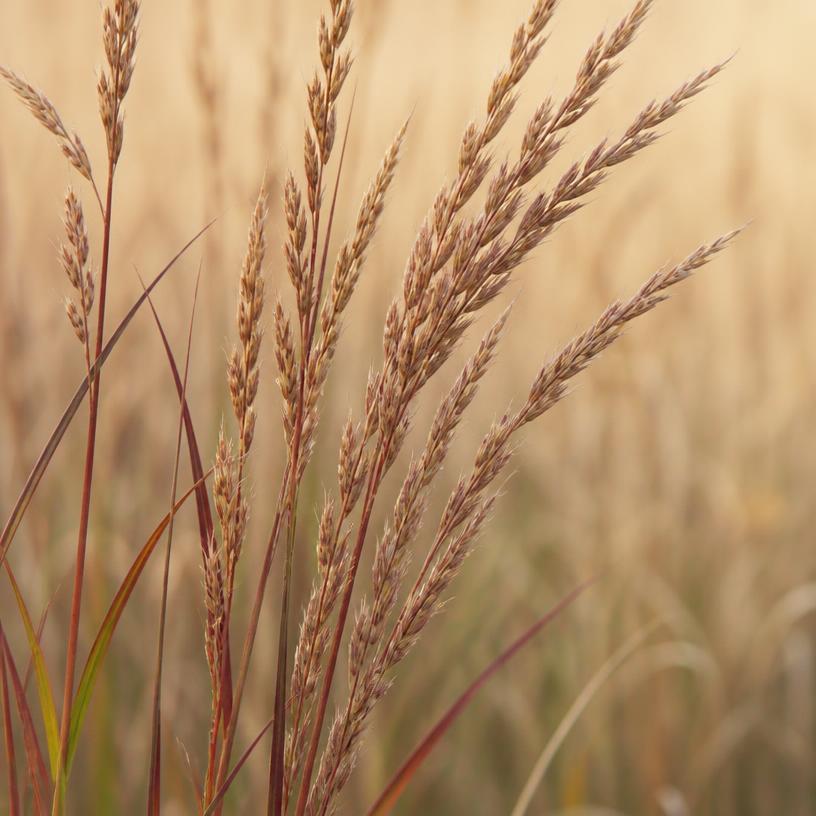
Big Bluestem
50Andropogon gerardii
Host for caterpillars of butterflies and moths, including skippers and the Common Wood Nymph.
Provides nesting materials and seeds for birds such as sparrows; historically food for bison, cattle, and deer.
Native Species
In 2026, 683 native plants representing ten species were installed at Moonbeams Preserve. Each was chosen for its value to pollinators and its ability to thrive in the field's specific conditions.
Andropogon gerardii
Host for caterpillars of butterflies and moths, including skippers and the Common Wood Nymph.
Provides nesting materials and seeds for birds such as sparrows; historically food for bison, cattle, and deer.
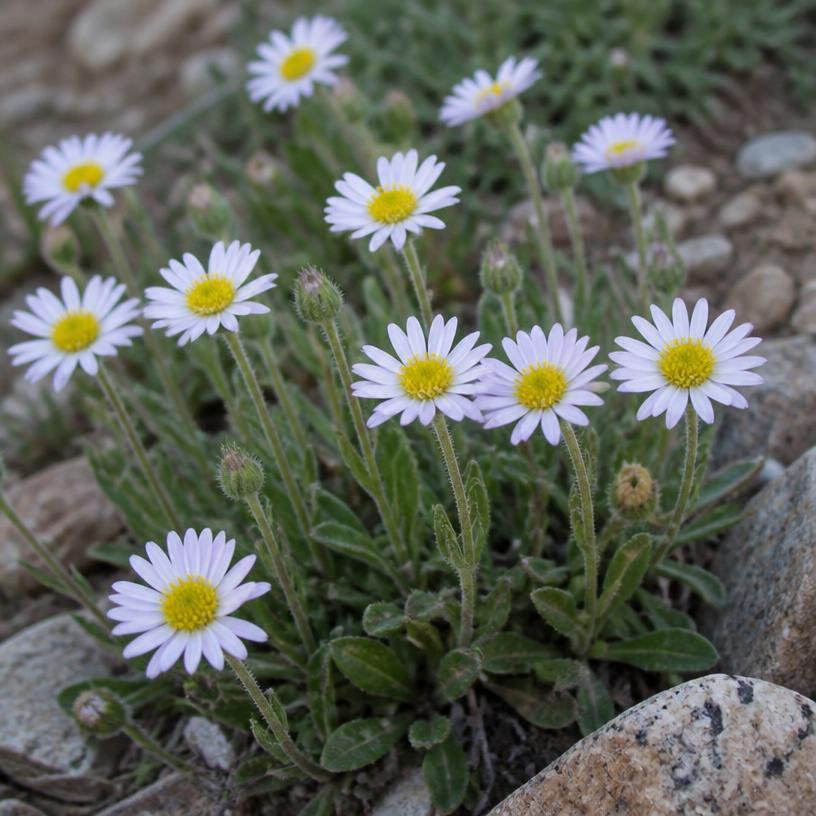
Erigeron pulchellus var. pulchellus
Larval host for the Pearl Crescent butterfly and about 20 other butterflies and moths.
Also serves as a nectar and pollen source and helps suppress weeds as a semi-evergreen groundcover.
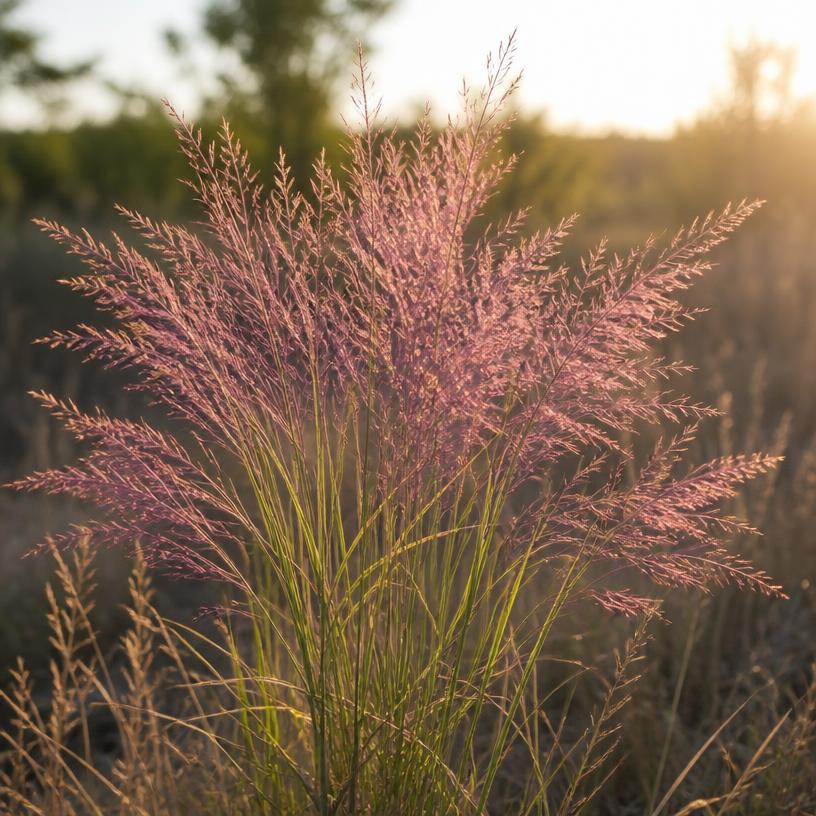
Eragrostis spectabilis
Host plant for native butterflies and moths such as the Zabulon Skipper.
A breeding ground for skippers and some moths; provides shelter for bees and seeds for birds and mammals.
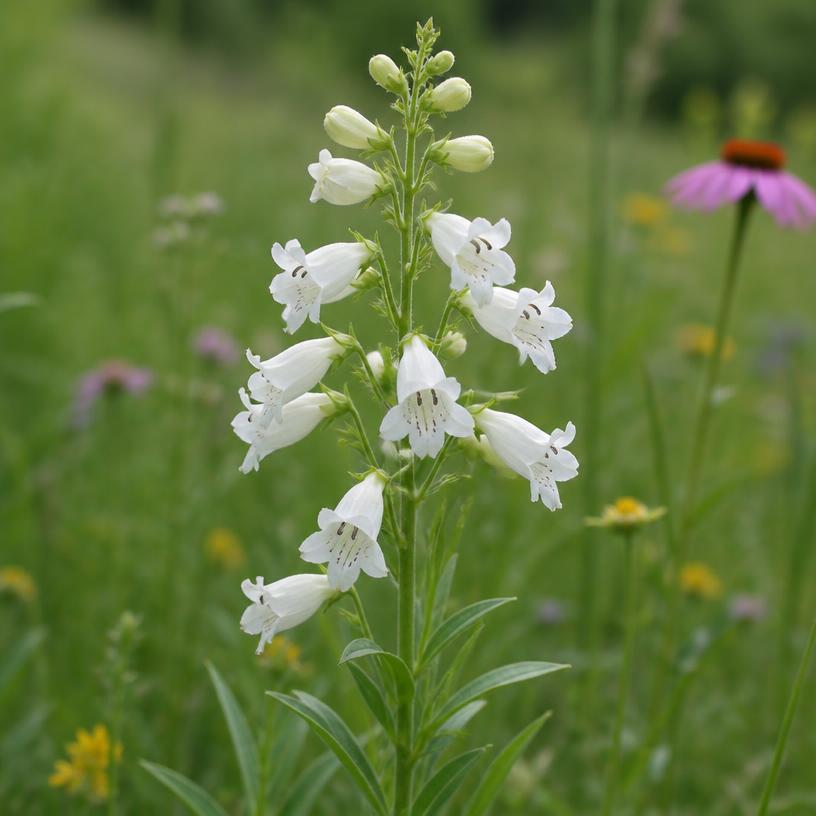
Penstemon digitalis
Host plant for the Chalcedony Midget moth, the threatened Saunders' Sallow Moth, and 10 other species.
Tubular flowers provide high-quality pollen and nectar for long-tongued bees, and attract hummingbirds and butterflies.
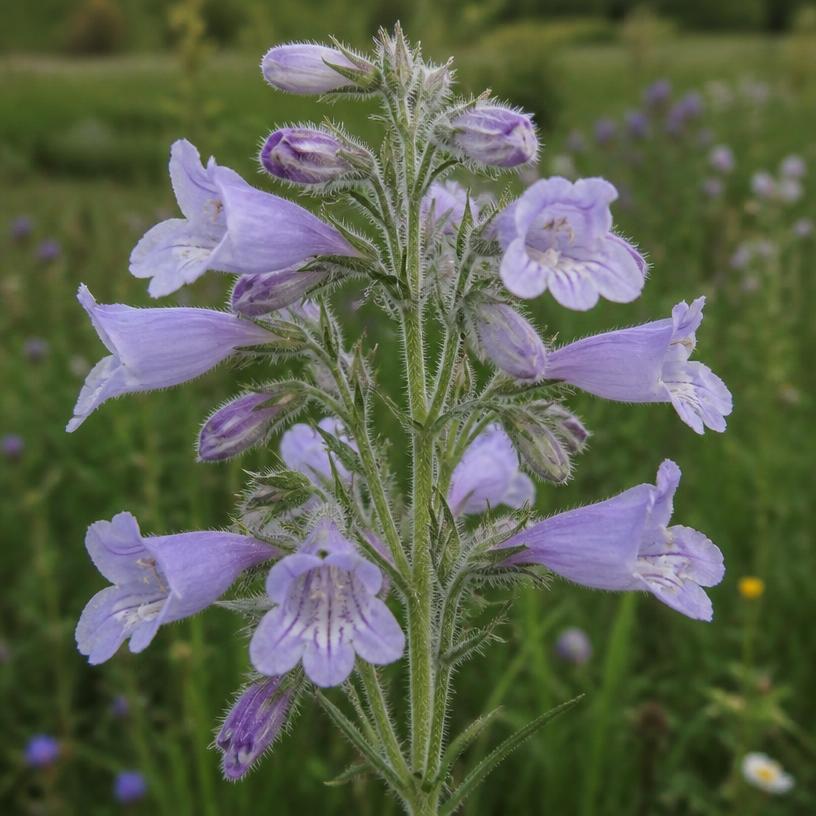
Penstemon hirsutus
Host to larvae of the Baltimore Checkerspot butterfly, Common Buckeye, and Saunders' Sallow Moth.
Tubular flowers attract hummingbirds, bumblebees, and native solitary bees such as mason bees.
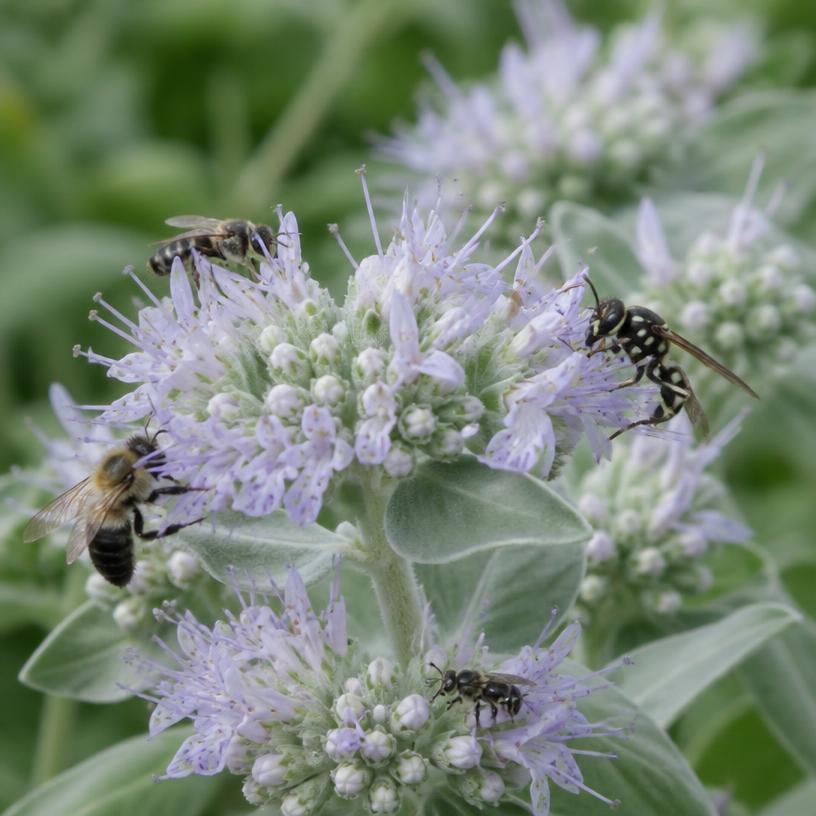
Pycnanthemum incanum var. incanum
Larval host and food source for the Wavy-lined Emerald moth, Tobacco Budworm moth, and others.
Provides nectar for the Gray Hairstreak butterfly and for bees, wasps, and other insects.
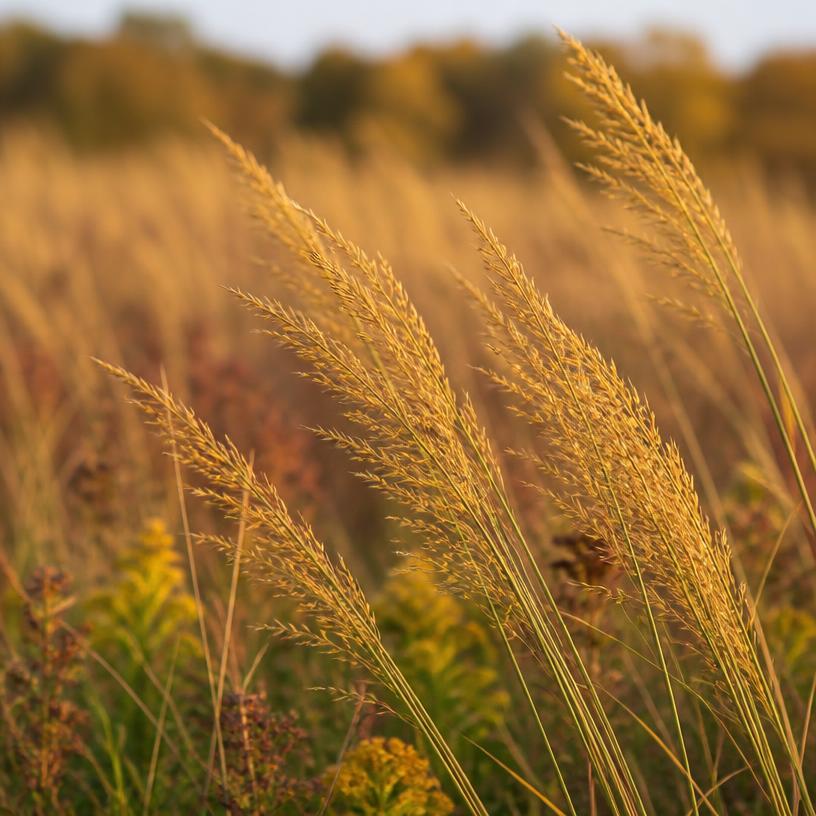
Sorghastrum nutans
Host plant for the Pepper-and-Salt Skipper, Ottoe Skipper, and several grasshopper species.
Its clumping habit is good for ground-nesting birds such as songbirds and mourning doves.
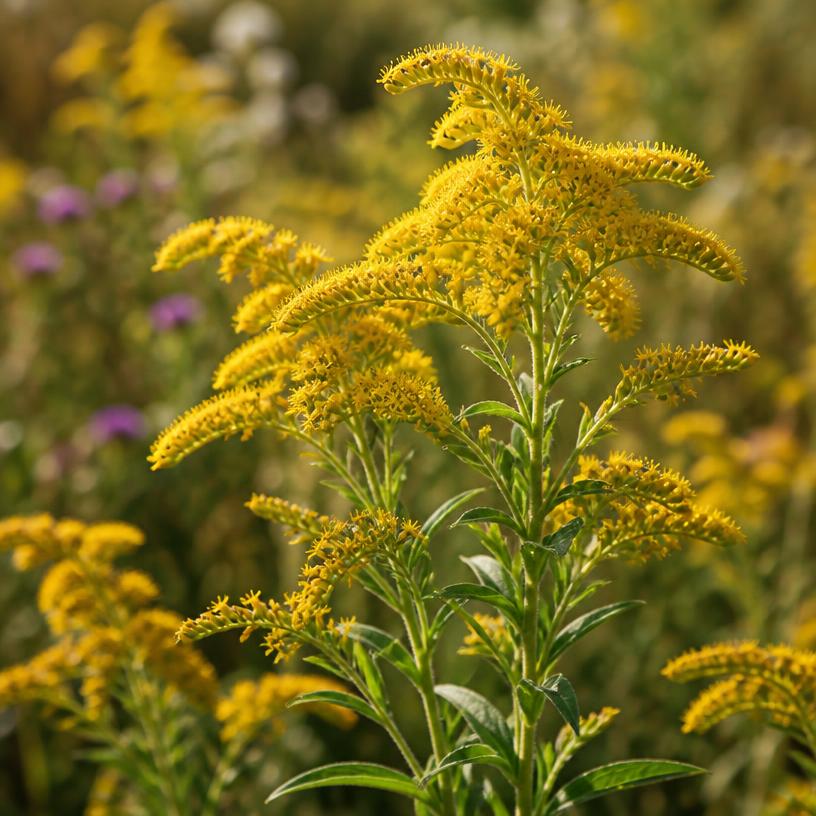
Solidago puberula
A keystone species hosting about 115 species of Lepidoptera and many midges, insects, and flies.
Blooms late August through October, providing food for migrating monarchs and seeds for birds.
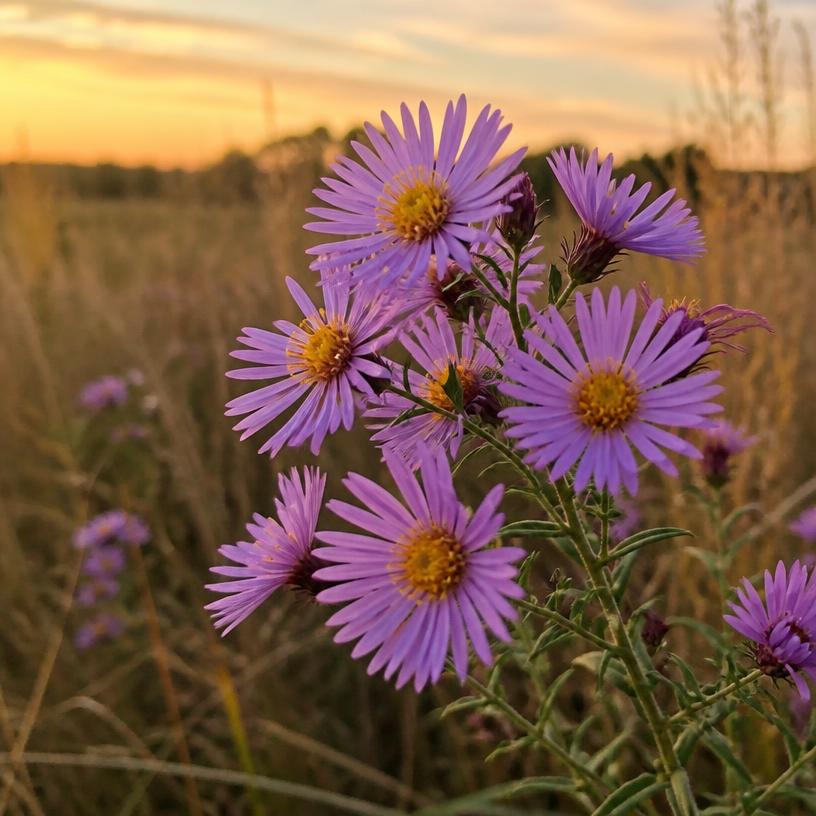
Symphyotrichum patens
A keystone species serving as a larval host for 112 species of butterflies and moths.
Hosts caterpillars of the Pearl Crescent, Silvery Checkerspot, and American Lady. Native mining bee larvae cannot live without its pollen.
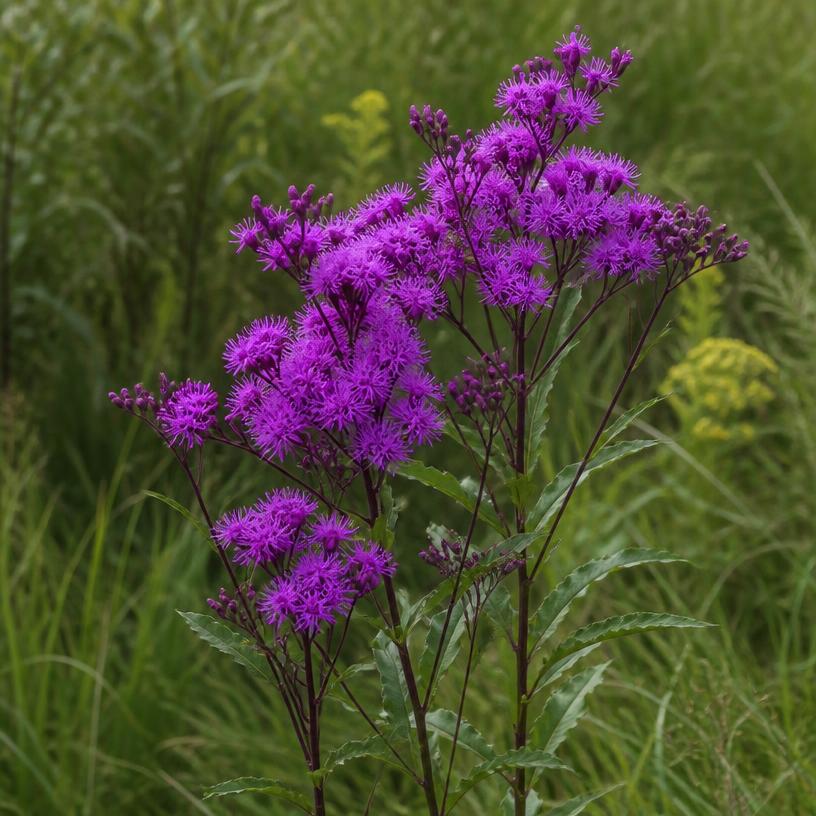
Vernonia noveboracensis
Host plant for many moth and butterfly species, including the Emerald Moth and American Lady.
A source of food for wildlife including birds and small mammals.
Many of these plants serve multiple purposes for pollinators, insects, birds, and other animals — increasing their overall value to the ecosystem. Some provide nesting material and shelter from predators, while their leaves feed caterpillars and offer nourishment from many parts of the plant.
The loss of native plants from our local environment can also mean the loss of many insect and animal species that co-evolved alongside them over time. By installing these particular plants, we model a meadow ecosystem that is both resilient and alive.